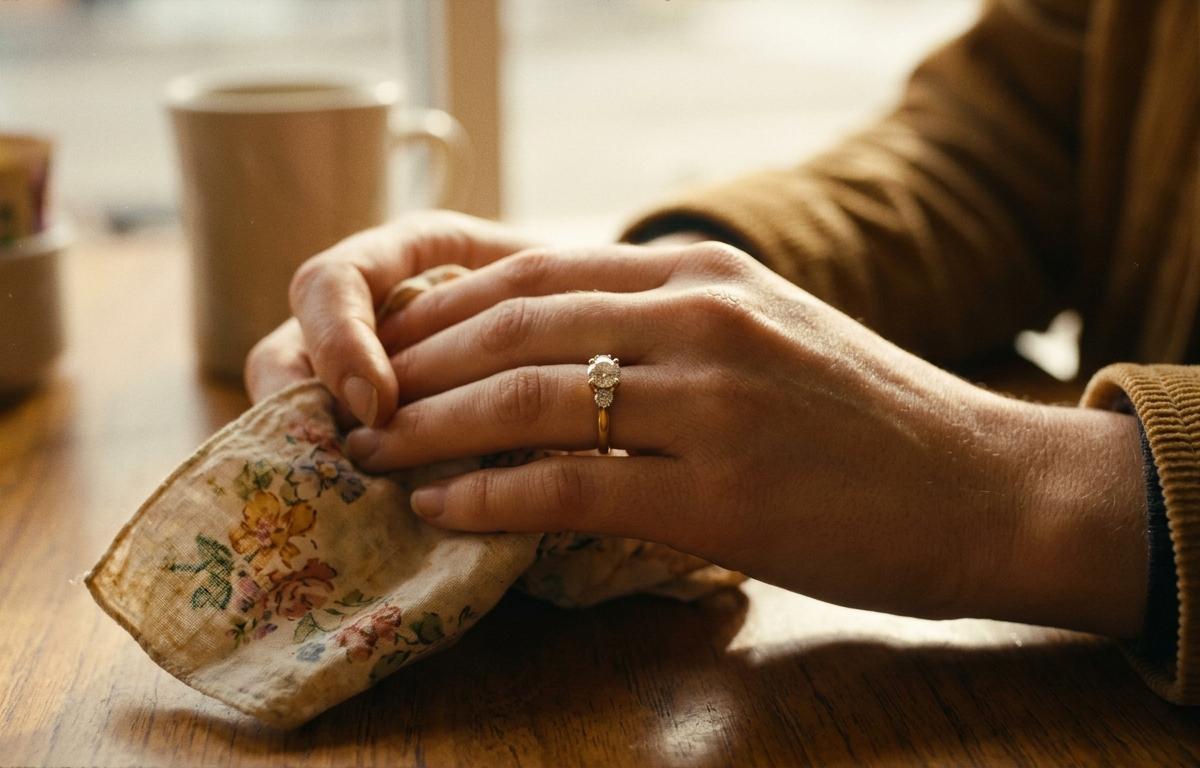
What a Ring Under $2,000 Can Buy: Lab-Grown, Natural, Moissanite and More
An engagement ring under 2000 is a real purchase, and it can be a beautiful one. It also helps to be straight about what that budget does. Couples spend about $5,200 on a ring on average, according to Fidelity’s guide to wedding and engagement ring costs, and roughly a third of buyers spend less than $3,000, per American Express. An engagement ring under 2000 at this price sits comfortably inside what plenty of couples choose. The real question is where you put your dollars.
Here’s how the money tends to shake out. A one-carat natural diamond ring typically runs $4,000 to $12,000 depending on quality, so a natural center stone at $2,000 will usually be smaller. That’s no flaw. A smaller natural stone in a well-made setting can look elegant and timeless. The other common route is a lab-grown diamond. One price comparison puts a one-carat G/VS2 ring at $4,500 to $8,000 for natural and $1,800 to $3,500 for lab-grown, which means a lab-grown center of meaningful size can land inside this budget. Treat those ranges as market estimates, not a quote, since every stone is priced individually.
Beyond diamonds, a few other paths are worth knowing about:
- A smaller natural diamond with side accents. Small accent stones add sparkle and presence while the center stone stays modest.
- A lab-grown center in a simpler setting. Putting more of the budget into the stone and keeping the band classic is a popular formula.
- Colored gemstones. A sapphire brings color and durability; our guide to sapphires as engagement rings explains why they work so well.
- Moissanite. A sparkly, lower-cost alternative to diamond, a good fit if you care more about the look than the origin.
At Adam’s Jewelers, we start with what matters most to you: the look you picture, how the ring will be worn day to day, and what you want to feel when you open the box. Then we match the stone and setting to the budget. You come in as a customer, and we hope you leave as a friend.
Lab-Grown vs. Natural: Disclosure, Certification and Resale Value
Lab-grown diamonds are real diamonds. They’re chemically identical to mined stones, and they rate 10 on the Mohs hardness scale, just like natural ones. Even trained gemologists can’t tell them apart by eye; it takes specialized laboratory equipment. If you want the full science, this explainer on whether lab-grown diamonds are real diamonds covers the FTC and GIA perspectives in depth.
What differs is origin, price, and how the market treats the stone later. Origin is why disclosure matters. Under the FTC’s Jewelry Guides (16 CFR Part 23), a retailer selling a lab-grown diamond must use a clear and conspicuous descriptor such as "lab-grown." Expect your jeweler to tell you plainly which kind of stone you’re looking at, and to put it in writing on your paperwork. We believe that conversation should be easy and upfront.
On price, the gap is significant. One report puts the average spend on a lab-grown engagement ring at $4,600 in 2025, versus $7,600 for a natural diamond ring at a smaller average carat weight. Put simply, the same money generally buys a larger, higher-grade stone when it’s lab-grown, which matters for anyone shopping for an engagement ring under 2000.
Resale is the part many shoppers never hear about. Sources report that lab-grown stones recover far less of their retail price when resold than natural ones, with one citing 80 to 95 percent lost versus 50 to 70 percent for natural. Those figures aren’t guarantees, and most engagement rings are bought to be worn, not sold. Still, if long-term value matters to you, it’s a fair factor to weigh. A natural stone under $2,000 will be smaller, but it comes from a market with a longer resale history.
Certification is your quality check, since you can’t grade a stone with the naked eye. A report from a recognized laboratory such as GIA or IGI documents the stone’s cut, color, clarity, and carat weight, and it should match the stone in your hands. If grading terms are new to you, our 4Cs of diamonds explained is a quick read before you shop.
How to Choose: Comparing Styles, Settings and Certificates Under $2,000
With a set budget, a few concrete criteria will narrow your options quickly when you shop for an engagement ring under 2000.
Decide what matters most: size, quality, or origin. If a larger-looking center is the priority, a lab-grown stone usually delivers the most visible carat weight for the money. If a natural stone matters to you, accept a smaller size and focus on cut quality, which drives sparkle more than almost anything else. If you love color, a sapphire or another gemstone can give you presence without diamond pricing. Moissanite suits shoppers who want maximum brilliance at the lowest cost and are comfortable with a non-diamond stone.
Match the setting to your budget. A simple solitaire or a modest halo keeps costs down and lets the center stone shine. Settings with pave bands or lots of accent diamonds add labor and metal, which can eat into the stone budget. Metal choice matters too: gold color and karat both affect price and wear, and our gold wedding bands guide lays out the tradeoffs in a way that applies to engagement settings as well. If a warmer look appeals to you, read about the meaning behind rose gold engagement rings.
Ask for the certificate, and read it. For any diamond, ask for a GIA or IGI report and confirm the details match the stone. Ask whether the stone is natural or lab-grown, and make sure the paperwork says so. Ask about metal purity, ring size, and whether resizing is possible on the style you like.
Think about how it will be worn. Low-profile settings snag less and suit active hands. Prongs should feel secure. A ring you wear every day has to be comfortable first.
Keep the full budget in view. Account for sales tax, any insurance you plan to carry, and the cost of resizing. If you’d like to spread the cost, ask about financing plans. We offer them, and we’re glad to walk through the options so there are no surprises. If you’re browsing before you visit, our engagement rings collection is a good place to start.
Custom Design, Repair and Appraisals to Keep Your Ring Lasting Years
A ring under $2,000 can become an heirloom if it’s built well and looked after. That’s where the services behind the counter matter as much as the ring itself.
Custom design isn’t only for large budgets. We design one-of-a-kind pieces, and a custom ring can be shaped around your budget just as readily as a ready-made one. You might bring a stone you already own, ask for a particular setting style, or combine elements from a few rings you liked. We lay out the process, cost, and timing in our guide to customizing engagement rings, worth a look if you have a specific vision.
Repair is what keeps a ring in good shape for years. Prongs wear down, bands thin, and sizes change. We handle jewelry and watch repair on-site, so a loose stone or a worn prong can be fixed without sending your ring away for weeks. A quick check-up once a year is a simple habit that protects the stone and the setting. Because the work happens here, you can talk directly with the person handling your ring.
Appraisals protect what you’ve bought. An appraisal records replacement value, which tends to run higher than the price on your receipt, and that’s exactly why it matters for insurance. We offer jewelry appraisals, and we recommend getting one soon after purchase and updating it periodically, since metal and stone prices shift over time. Keep your appraisal and your stone’s certificate together in a safe place.
These services are part of what a budget ring really buys you: the confidence that it can be maintained, repaired, and insured, so the ring you choose today is still on your hand decades from now.
Shopping Local in Roseville and Sacramento: What to Expect at Adam’s Jewelers
Shopping for a ring online is convenient, but a ring is something you want to see, hold, and try on. Seeing a stone in person shows you things photos can’t: how it handles light, how the setting sits on your finger, and how different cuts and sizes compare side by side.
Adam’s Jewelers is a family-run jeweler in Roseville, serving shoppers from Sacramento, Rocklin, Granite Bay, Folsom, El Dorado Hills, and Fair Oaks. Our selection includes engagement rings, wedding bands and sets, loose diamonds, and custom jewelry, along with designer lines such as Bellarri, Barkev’s, and Galatea. If you’re curious about the stone-first route, our page on loose diamonds for sale in Roseville, CA explains how that works, and our Roseville jewelry store overview tells you more about who we are.
When you visit to shop for an engagement ring under 2000, expect a conversation, not a sales pitch. Tell us your budget, and we’ll show you honest options within it, with clear disclosure about whether each stone is lab-grown or natural. We’ll go over certificates with you, explain the differences you can actually see, and let you try on several styles so you know what feels right. If nothing off the shelf is quite it, we can talk about a custom design. When you’re ready to plan the wedding bands too, we can match them to your ring; our guides to wedding bands for men and men’s bands with diamonds make good companions for the other half of the pair.
An engagement ring under 2000 isn’t a compromise when it’s chosen with care. It’s a deliberate decision about where your budget goes. Come by and let us help you find the ring that fits your story, your style, and your budget.